Earlier in a post, we considered the simple rule of 72 to understand how long it would take for the investment to double given the interest / returns rate.
Now let us take a step ahead to understand how the amount required to be invested changes considering varying returns rate in the given period with time to goal (nper) and the goal amount (fv) as known factors.
The formula that helps us understand this is the PMT formula. This formula can be used to help us understand what sort of returns will require what amounts to be invested to reach the goal amount in the given number of years.
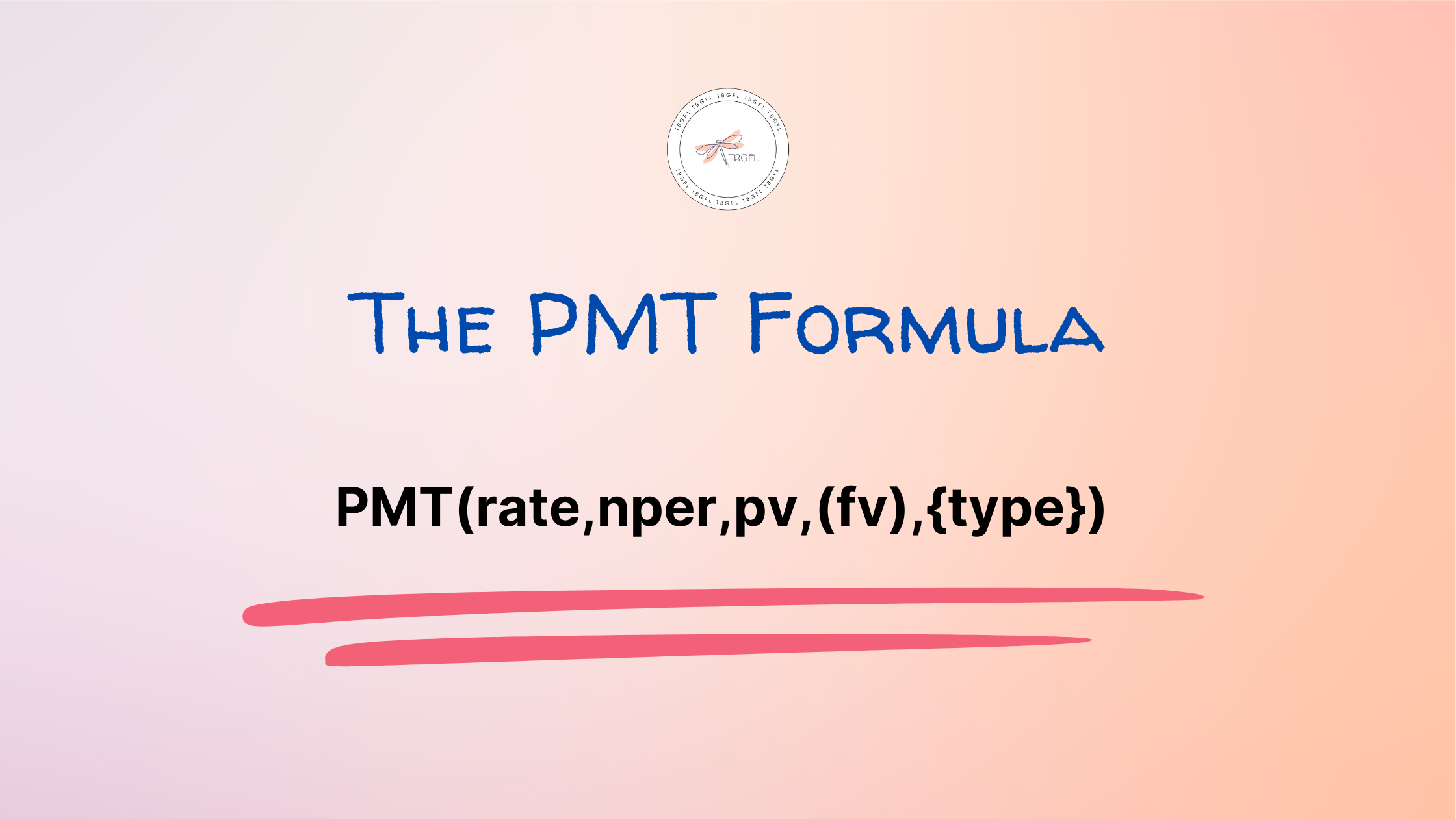
Amount of periodic investment (PMT) = pmt(rate,nper,pv,(fv),[type])
Where,
Rate is the rate of returns corresponding to the period. If you consider the rate annually, take the rate as is. In case you are trying to arrive at monthly figure use r/12 like 15%/12 and if considered quarterly then consider 15%/4 etc.
Nper stands for the period. Where you are considering no. of years take the years as is. Where you are considering number of months, multiply the number of years by months. Say 10 years*12 months = 120 months.
Always ensure that the Rate and Nper correspond to the same period base (like yearly, monthly, quarterly, etc) otherwise the formula will not work right.
PV is the present value of investments if any already made towards the goal. This amount needs to be defined in negative in the formula.
FV is the goal amount (Current value of the goal amount adjusted for FV). One should remember to adjust the current value of the goal amount for its FV considering appropriate inflation rate otherwise one will have short saved for the gaol amount if this exercise is not done.
Type is whether one is making the investments at the beginning or end of the year.
Considering various examples –
Say the goal is Rs 1 cr in 15 years.
Let us consider a returns rate of 15% in the first option
PMT(15%,15,,-10000000,1) = RS 1,82,757 which works to RS 15,229.75 pm (182757/12)
The same goal if we change the periodicity from annually to monthly , let us see how the amount required to be invested changes -PMT(15%/12,15*12,,-10000000,1) = Rs 14,774 pm which is about 3% less than the annual investment required. Hence one can note that regular smaller investments are the optimal way to save and invest.
For the second option we consider varying rates of returns and accordingly the amounts required to be invested would be:
At 16% returns RS 1,66,875 pa PMT(16%,15,,-10000000,1)
At 12% returns RS 2,39,502 pa PMT(12%,15,,-10000000,1)
At 10% returns RS 2,86,125 pa PMT(10%,15,,-10000000,1)
One can note that higher the rate of return, lesser is the amount required to be invested and vice versa. Yet one should remember that the higher rate of return is directly proportional to the risk on the investment. Higher the returns, higher is the risk.
In the example considered above, the goal tenure is 15 years which is a long term and the various returns considered are somewhat achievable on the long term investment avenues given the history of the returns over decades in India. If the goal tenure was say 5-7 years these sort of returns rate may not hold true as the investing avenues that one needs to opt for will vary. In which case the amount one will be required to save would be substantially more to compensate for the same amount in lesser time frame as also the asset class may yield a lesser return.
To summarise:
PMT is a very useful formula assisting one to make decisions by varying the interest/returns rate and understanding the risk associated and arrive at the best strategy of investment given the time to goal, goal amount.
It would also serve well to remember that the choice of investing avenues would vastly depend on the tenure of the goal. So always match the goal tenure with qualifying investing avenues and not just the returns rate. Use the formula to assist you make informed decisions.