The Investment Maze and the Traps of Investor Biases
Arjun paced up and down excitedly in his living room, clutching his phone like it was a treasure map. His eyes sparkled with enthusiasm as he waved the screen in front of Preeti.
“Preeti, I’ve done my research! This stock is a surefire winner. I read three articles that say it’s going to the moon!”
Preeti, lounging on the sofa with her laptop balanced on her knees, raised an eyebrow. She took a sip of her coffee before responding. “Three articles? That’s your research? What if they all have the same biased view? You need a broader perspective, Arjun.”
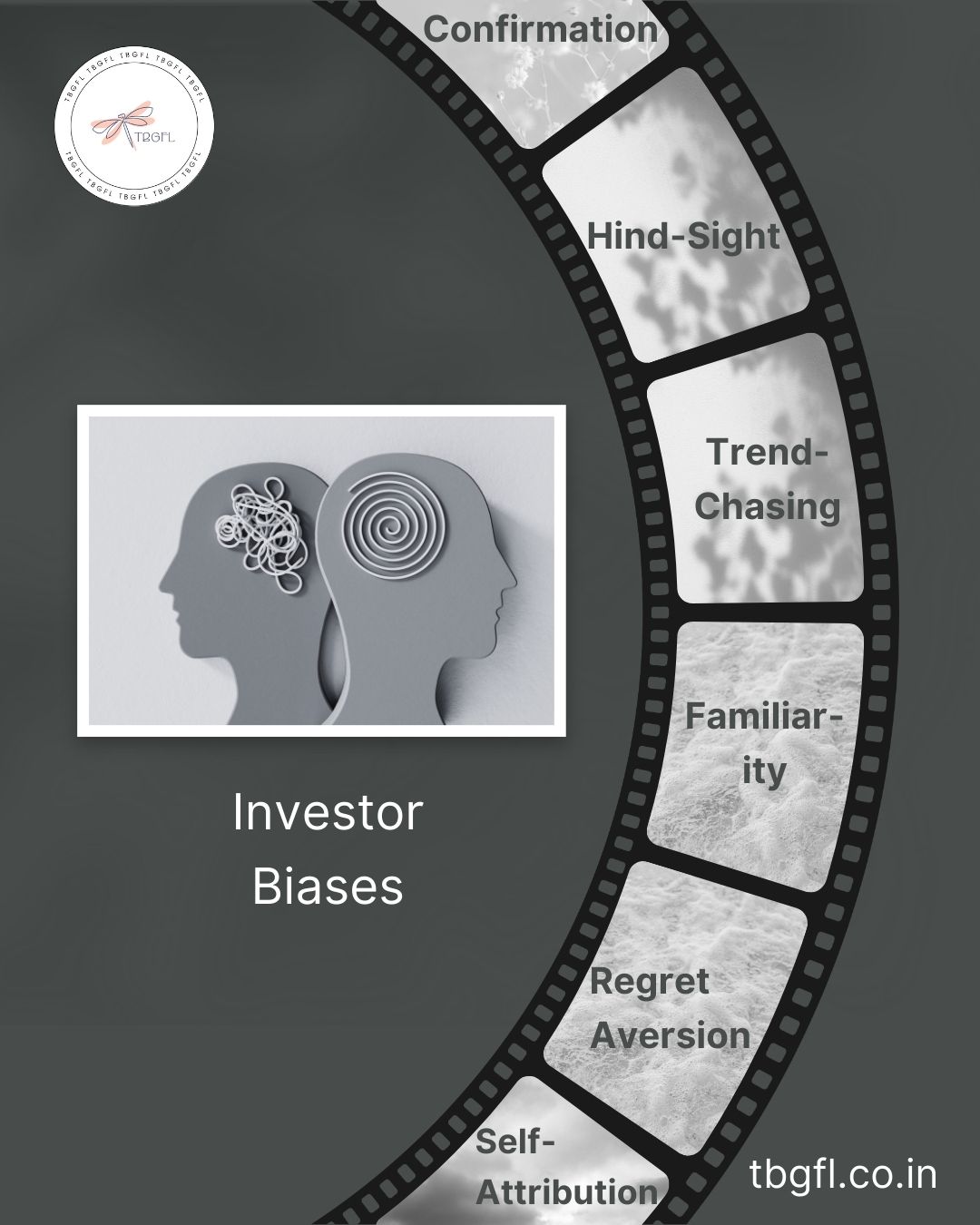
At that moment, Mr. Iyer strolled in, adjusting his glasses as he observed the conversation. “That, my dear Arjun, is Confirmation Bias at play. You’re only looking at information that supports what you already believe. A wise investor challenges their own assumptions. Ask yourself—have you actively searched for counterarguments? What if you’re missing red flags?”
Arjun scratched his head. “Okay, okay. But this time, I know the stock will go up. I mean, look at how well it has done in the past year. It was obvious this would happen!”
Mr. Iyer sighed and settled into his chair. “That’s Hindsight Bias speaking. Everything looks obvious in retrospect. But before it happened, was it really that clear? If it was, wouldn’t everyone have bought it earlier? Always ask yourself: would you have bet your entire savings on it before it took off? If not, then you’re just falling into the illusion of predictability.”
Preeti leaned forward, tapping her screen. “Alright, but look at this stock—everyone’s buying it. It’s trending, so it must be good.”
“Ah, the classic Trend-Chasing Bias,” Mr. Iyer smiled knowingly. “Just because something is popular doesn’t mean it’s a wise investment. Think about the dot-com bubble, the crypto rush, or even meme stocks—people flocked in, driven by hype rather than fundamentals. When the music stops, the ones left holding the bag are those who followed the crowd blindly. Always question whether the trend has real substance behind it.”
Arjun wasn’t convinced. “But Mr. Iyer, this company is from a brand I love and use daily. Surely, it’s a safe bet!”
Mr. Iyer chuckled. “That’s Familiarity Bias at work, Arjun. Just because you recognize a brand doesn’t mean it’s a great investment. Take a closer look at its financials. Is it making profits? Is it growing sustainably? Plenty of beloved companies have struggled financially while unknown ones thrived. An emotional connection with a brand is not an investing strategy.”
Preeti hesitated, her fingers hovering over her keyboard. “I made a mistake last time when I invested in that airline stock, and it crashed. I don’t want to repeat that. I’d rather just play it safe.”
“That’s Regret Aversion,” Mr. Iyer noted. “Maybe you’re avoiding new opportunities because of a past mistake. But investing is about learning and adapting, not letting one bad experience dictate your future decisions. If you never take calculated risks, you might miss out on good opportunities. Instead of fearing mistakes, focus on making informed choices.”
Arjun glanced at his portfolio on his phone, his face growing tense. “I’m holding on to this stock even though it’s been falling for months. I don’t want to sell at a loss. It has to recover.”
“Ah, the Disposition Effect,” Mr. Iyer explained, shaking his head. “You’re holding onto a losing stock just because you don’t want to admit a loss. But a bad investment doesn’t get better just because you refuse to sell it. Ask yourself—if you didn’t own this stock already, would you buy it at today’s price? If the answer is no, then it’s time to reconsider your position.”
Preeti grinned suddenly. “But I knew my pharma stock would do well! I told everyone about it, and look—it’s up!”
Mr. Iyer laughed. “That’s Self-Attribution Bias—when things go right, we credit our skills; when they go wrong, we blame external factors. Be careful with this one, Preeti. Every investor has wins and losses, but true success comes from understanding whether your decision was based on fundamentals or just luck. Overconfidence can lead to costly mistakes.”
Arjun slumped onto the couch. “So what’s the solution? It feels like every decision is a trap.”
Mr. Iyer smiled warmly. “Awareness is the first step. Recognizing these biases helps you make more rational choices. Challenge your own thinking, seek diverse opinions, and invest based on data, not emotions. Investing isn’t about avoiding mistakes entirely—it’s about learning from them and improving.”
Preeti nodded thoughtfully. “Alright, so the real investment isn’t just money—it’s in our mindset too.”
Mr. Iyer beamed. “Now that’s a bias-free insight!”
Key takeaway:
Understanding and being aware of the various concepts of behavioural finance helps one to recognize one’s tendency to certain biases that can lead to making illogical and often irrational decisions when it comes to investments and finances.
Conclusion:
By having a clear understanding of one’s goals, risk appetite and then having an implementation strategy that is in line will allow one to feel much more confident about their investments plan and hence less likely to be swept away by common behavioural biases that can be detrimental to ones finances. Starting with understanding one’s own risk appetite and then using Systematic Asset Allocation strategies can assist one to manage the risk exposure and achieve robust portfolio, then the returns is the byproduct of the robust portfolio.